


There are very few winery newsletters I read regularly. Most of the time, and especially these days, they read like they were written by a robot, either of the literal AI/ChatGPT variety or the figurative corporate mumbo jumbo variety. Both are extremely boring.
But there are a few standouts I really enjoy getting into when I have the brain capacity. Tablas Creek (I’m so sorry, but they really ARE good at everything, so I’ll just keep mentioning them), Antica Terra, and Rincon Mountain Winery all have newsletters that are engaging in different ways. Tablas Creek engages my left brain, and Antica Terra’s Beauty School newsletter touches my right brain. Rincon Mountain Winery, however, lights up whatever part of my brain is responsible for feeling like I’m catching up with a friend over coffee (or a glass of wine, as the occasion dictates). It’s that feeling I want to focus on today.
The Power of Singular First Person Narrative
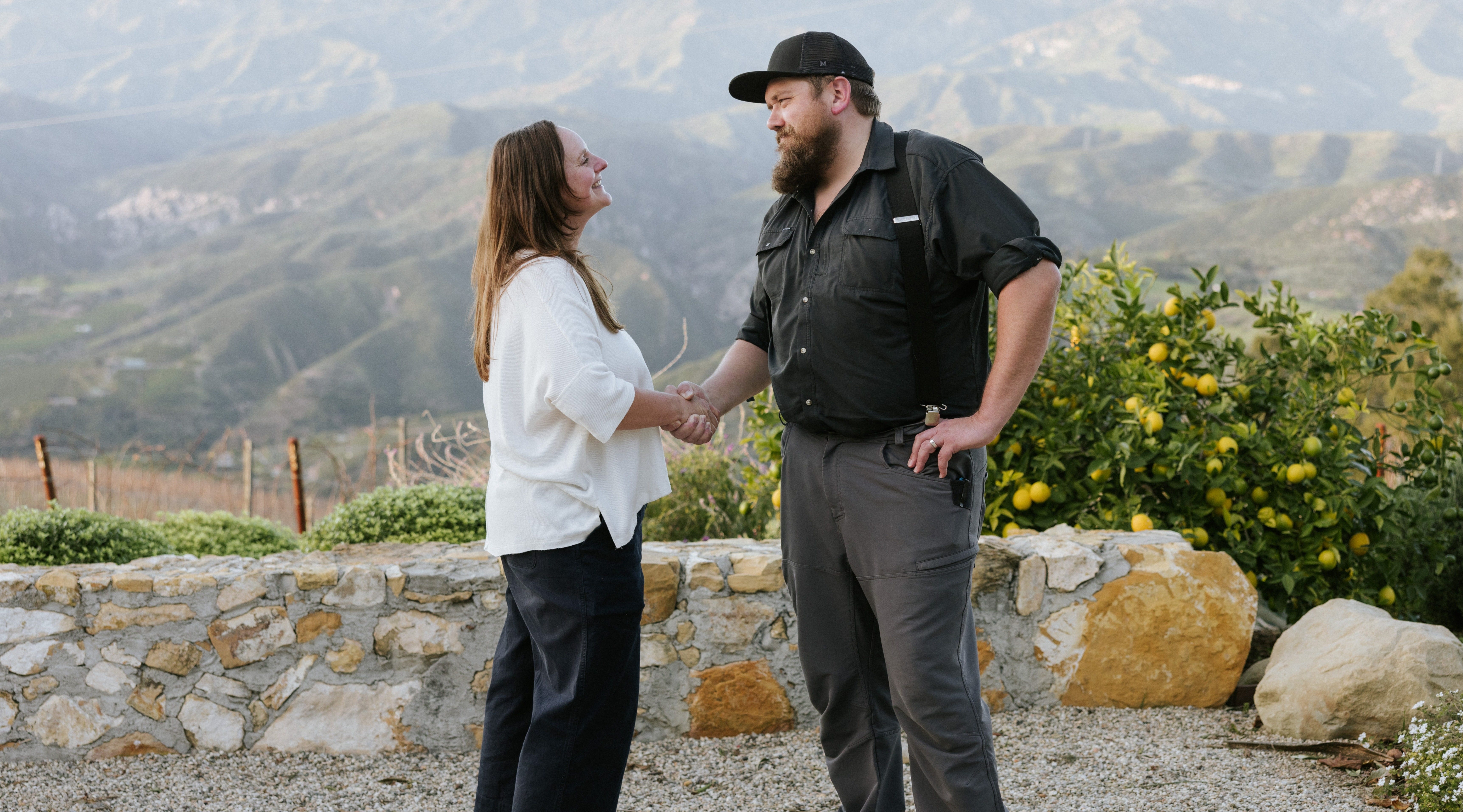
I think one of the reasons that Rincon’s newsletter evokes the friends palling around feeling in me is because of the way Jill (the self-proclaimed “Winemaker’s Wife & The Better Writer” or “Winemaker’s Wife & Keeper of Three Wine Fridges,” depending on which email you’re reading) writes using singular first-person narrative.
I know this is hard to do at larger wine brands, so my suggestion for you if you fall into that camp is to try to pick an individual in your company to write the newsletter from their own POV. You can also split the writing among key stakeholders like the winemaker, wine club manager, and owner, and rotate the schedule. If you’re worried about consistency, have one person (maybe you!) write the bones of the email, have those stakeholders add their perspectives, and then sign off on it, OR give them a prompt, let them brain-dump, and then edit it into something coherent.
Of course, regardless of whether you’re writing in first-person singular or plural, content matters.
Writing with Honesty & Vulnerability (Within Reason)
One of my favorite things about Rincon Mountain Winery’s newsletters is that Jill doesn’t seem particularly interested in only painting a picture of the idyllic winery life. There is a tendency in wine marketing (that I have been guilty of myself) to show a very edited and polished version of events. Harvest is always magical; the team is always passionate; the weather is always challenging but ultimately rewarding; and all of it is “a labor of love.”
And I know we don’t always want to share all the sordid details, but sometimes winemaking sucks, and I think that Jill has found a way to thread the needle of being vulnerable within reason very well. She doesn’t shy away from the less sexy parts. Tablas Creek does this too, btw, and, again, that honesty makes for far more interesting reading.
P.S. There's a difference between vulnerability and airing your dirty laundry. I don't need to know every argument Jill and Darren have had about managing their vineyard in the name of authenticity. But I do want to know when something didn’t go according to plan and how that will impact the wine I buy from them in the future.

Breaking Up Text with Photos and GIFs
Another thing Rincon does well is break up blocks of text with images that support the story they are telling. Now, I might be a bit biased here because 1. I am a photographer, and 2. they often use photos I’ve taken for them in their newsletters, but I like it even when they use iPhone photos and GIFs!
Long newsletters can sometimes be a bit of a slog to get through (speaking as someone who is a particularly long-winded writer). Photos help break that up and give readers a place to stop and breathe.
Note: Though I myself am a big fan of breaking up emails with images, there is also a time and a place for plain-text emails. If you are finding your open rates aren’t as high as they once were, throwing in an occasional plain-text email can help goose deliverability.

Balancing Selling with Storytelling
Though the entire point of winery newsletters is to sell wine and experiences, Jill has done a really good job of balancing that necessity with giving something back to her readers and keeping them connected. Donald Miller talks about this in Building a StoryBrand: people are constantly sifting through everything competing for their attention, sorting it into what they need to survive and thrive versus what’s just noise. If you want someone to keep reading, you have to be delivering some kind of value in return.
One of my favorite recent newsletters from Rincon Mountain Winery was about their 2022 Dusty Vinyl GSM blend, and how they like to pair it with smash burgers. That could have easily been the end of the email (and for many wineries, it would have been), but Jill went on to give us step-by-step instructions on how to host our own smash burger night, complete with a recipe and a link to purchase the wine to pair with it.
I ended up saving that email so I could refer back to the recipe later, and I’d bet others did as well. Which means that every time I open that email to look at that recipe, I am also reminded that Dusty Vinyl is a good wine to pair with my smashies. Rincon is now an authority and top of mind, two of the most valuable things to a marketer, after sales. I am what we in marketing call a “hot lead.”

The TL;DR
Newsletters don’t have to be boring and only focused on selling. If you want people to look forward to hearing from you, here are a few good places to start:
Try to write as one person, vs “we”. I know this might be challenging for some of our bigger wineries, but, if at all possible, try to pick an individual to write the newsletter from their own POV or split the writing among key stakeholders like the winemaker, wine club manager, and owner.
Let a hard season be a hard season. You don’t have to pretend everything is sunshine and rainbows all the time. It’s okay to tell people when things didn’t go according to plan. Letting people see some of the wrinkles makes everything else a bit more endearing.
Break up your text. Photos, GIFs, subheadings, and dividing lines all help make things a bit more readable. But beware: using too many of these devices can read as chaotic. Moderation, my friend.
Give something away before you ask for something. Recipes, how-tos, and even travel recommendations are particularly useful here, but also telling a really good story can pave the way for a sale. Remember, your customers are always asking, “What’s in it for me?”
Other Brand Newsletters I Like Reading
Here’s some other newsletter inspiration for you:
Companion Hospitality: These are the folks behind some of my favorite local restaurants, including Bell’s Los Alamos, Na Na Thai, and Bar le Cote. I’ll likely do a case-study-type post about them in the future because their social media and newsletter are always favorites of mine.
Tablas Creek: They are written primarily by Jason Haas, but he also taps in other team members like his winemaker and director of marketing to contribute. Note that the newsletter/blog is separate from the traditional marketing emails, though they do include links to purchase wine in the newsletter as well.
Antica Terra’s Beauty School: They host their newsletter on Substack, and it’s less about their wine and practices and more about the things they find beautiful in the world. Sometimes that involves sharing work from artists, and other times it’s sharing curated playlists.
Dan Petroski/Massican’s Italian Dinner Party: Another Substack newsletter, Dan is currently sharing a series of posts called “A Year in Pasta.” I am compelled by the idea of a limited-run series about a thing you’re passionate about. Since Massican’s portfolio is entirely Mediterranean white wines, this series fits the brand's vibe perfectly. It also helps that one of my resolutions this year is to eat as many different pasta shapes as I can (currently at 10, which I know are rookie numbers).

Spot on! Everything that Maggie at Antica Terra does — from wine to hospitality feels grounded and otherworldly at the same time. And Dan is brilliant. Not surprised their newsletters reflect such.
Everything you mention holds true for most newsletters and it’s something I talk to bars and restaurants about almost every week.
Great advice, thank you!