


Since going on maternity leave, I’ve been doing a lot of marketing audits (because they are a manageable way for me to help wineries while navigating the naptime and feeding schedule of my 3-month-old son.
As part of that process, I’ve been combing through winery trade & media pages for reference examples and, frustratingly, most of them are missing some really crucial elements. Some will include (often outdated) tech sheets and maybe their logos, but in general, to be completely candid, they suck.
And this is a huge bummer because, at minimum, these wineries end up spending too much time emailing these assets to their buyers when they could be automated on their website, but at worst, they are missing out completely on placements in favor of more prepared wineries.
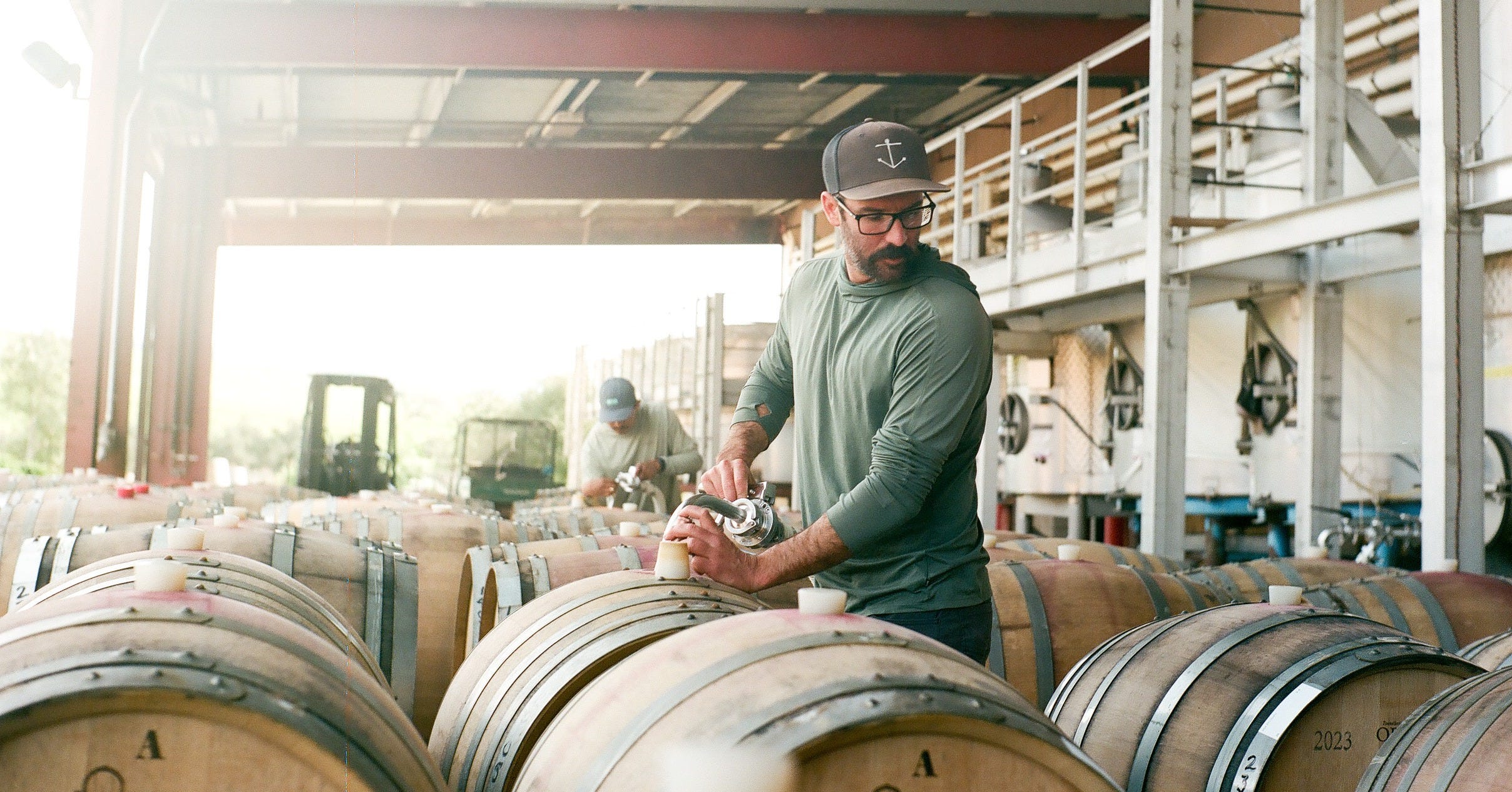
Your Trade Page is a Sales Tool
The point of a Trade & Media page is to give your distributors and potential restaurants and retailers the resources they need to sell your wine. In addition to direct sales with your sales manager (or winemaker, as the case may be), distributors need you to give them the language they need to sell your wine to restaurants and retailers, and those restaurants and retailers need photos, logos, tech sheets, and more to help bridge the gap between you and consumers.
Sommeliers and retail buyers are managing tons of SKUs while trying to build a wine list that is cohesive with the food they serve and/or the customers they want to reach. It can be really frustrating if they need to hunt for what they need.
So, what exactly does your trade page need?
The Basics
First, the obvious stuff. Your trade page should have:
Downloadable high-res photos. You need:
Knockout bottle shots of each of your wines, ideally without vintages, so they stay useful longer.
Photos of your winemaker and other key personalities in both vertical and horizontal formats.
At least a few styled photos they can use for shelf talkers, social posts, and newsletters.
Perhaps some photos of the vineyard(s) you farm/source from.
Make these easy to download in PNG formats.
Brand assets. In addition to hi-res photos, you’ll want:
Your logo(s) and icons in multiple colorways (white, black, and your brand colors).
Your labels, again, ideally without vintages, so they last longer, but if you do include vintages, be sure to update this as soon as you bottle your wine.
Shelf talkers and maybe table tents.
Tech sheets. Make sure these are easily searchable/findable. They should, at minimum, include harvest info, abv, acids (pH & TA), barrel regime, etc.
Distributor contacts. If I’m a retail buyer in New York and I want to order your wine, I should be able to find out exactly who to call on your website. Include phone numbers, email addresses, and the current rep. Update this regularly.
Recent Scores & Media. I also like having a link to a media page with scores for the current wines on market and media placements.
Extras that Set You Apart
What makes a trade page extremely useful beyond the basics is educational content, and almost no one is doing this well.
Think about what a sommelier needs to do their job: They need to be able to tell your story tableside and need to know what makes your wine interesting and worth recommending. You want to give them the language they need to talk about your wine confidently and with enthusiasm.
Here’s what I recommend:
How your wines are made. This translates the “facts” of the tech sheet into a more digestible story. Instead of only listing the pH of a wine (which isn’t meaningful information to the average consumer), talk about what the weather was doing that vintage and how you made your picking decisions, which resulted in a high-acid, mineral wine. Instead of simply listing the percentages of new and used oak, talk more about why you chose a particular cooperage for this particular wine. Think about how you would talk about your wines at a wine dinner or at a grand tasting. You’re not likely to only rattle off the lab numbers, if at all.
Your Story. Include a short blurb about who you are and why you make wine. You can link to your more in-depth “about” page as well, but the bio on your trade page should be something retailers and journalists can easily lift and share with their customers/readers. I’d say something that’s between 3-5 sentences is a good starting point.
Food pairings suggestions. Make it effortless for a sommelier to put your wine on the right table. For each wine, give three to five specific, evocative pairing suggestions. And if you want to get really tactical, you can pull inspiration from the menus of the restaurants you’re trying to get into.
Information about the vineyards you farm/source from. You may already have this information located on your About page, but it doesn’t hurt your SEO to have it twice. I’d also suggest including vineyard maps, soil and microclimate information, and any sustainability/organic certifications these vineyards might have.
Bonus points if you can create videos and blog posts that you can point to for each of these suggestions
The Gold Standard
I expect you’ll tire of me bringing them up, but Tablas Creek is one of the few wineries doing this really well (listen, I’ll stop talking about them if they ever stop doing great marketing… so, never).
Their Trade & Media page is the most comprehensive one I’ve found in the industry. It’s really easy to navigate and includes a ton of detailed information. What really blew me away was their POS Tools section, which is organized by vintage and includes the tech sheet, wine label, and bottle shot, all individually downloadable and going back decades. Some of the wines even have a downloadable pdf shelf talker.
They also have distributor contacts broken out by state (and by country for international), logos, hi-res lifestyle photos, educational videos, a vintage chart that highlights when certain wines are ready to drink or at their peak, and an archive of their Instagram live broadcasts.
It is thorough in a way that says: we have thought carefully about every person who might land on this page and what they need to do their job. In short, they have their shit together.
A Few Other Examples Worth Looking At
Willamette Valley Vineyards (*Note their “Staff Training Cards” section)
None of them reach Tablas Creek’s level, but each has elements worth borrowing.
The TL;DR
Your distributors and retail partners want to sell your wine, but they need the tools to do it. If your trade page isn’t giving them those tools, you are making their job harder than it needs to be, and you might be leaving placements on the table.
A good trade page works as a silent sales rep of sorts, working behind the scenes for anyone who wants to find out more about your wine before they commit to putting it on a list or a shelf (or for the nerdy amongst us *raises hand*). Invest the time and effort to make it awesome, it’ll be worth it.
And if you’re not sure where to start, or if your whole website could use a look, I can help you:
Want to help fuel me through the next several posts? Buy me a beverage! Writing is thirsty work after all!
Great suggestions (and of course I agree about Tablas). I’ve given multiple presentations on this topic to winery audiences, framed from a journalist’s perspective. To your excellent list I’d add only a timeline listing all key milestones in the company’s history: date of founding, land acquisition, plantation, winery build-out, first release, additions, TR opening, whatever, along with who did that work (esp. important for multi-generational wineries). If we are to create a strong narrative we need a solid timeline; piecing this together from various information sources is time-consuming, frustrating, and error prone.
Hi Heather!
Not 3 months ago, I cold-called (email) a local winery and offered to fix their half a dozen, half finished tech sheets.
No response!
Do you think it’s accurate to say that smaller wineries don’t need a robust ‘Trade’ section on their website?