


Michelin, the tire company that, through clever marketing, became the authority on where we eat, has announced that it now wants to tell us where to drink. Starting in 2026, they’ll begin awarding 1, 2, and 3 Grapes to wine producers based on agronomy, winemaking mastery, identity, balance, and consistency.
Being a French tire company, they are obviously beginning with Burgundy and Bordeaux (insert “shocked” expression here), but they will eventually expand these ratings globally. I am surprised it took them this long to insert their fingers into the wine pie, but before we get into that, we should do a quick summary of how one acquires this distinction.
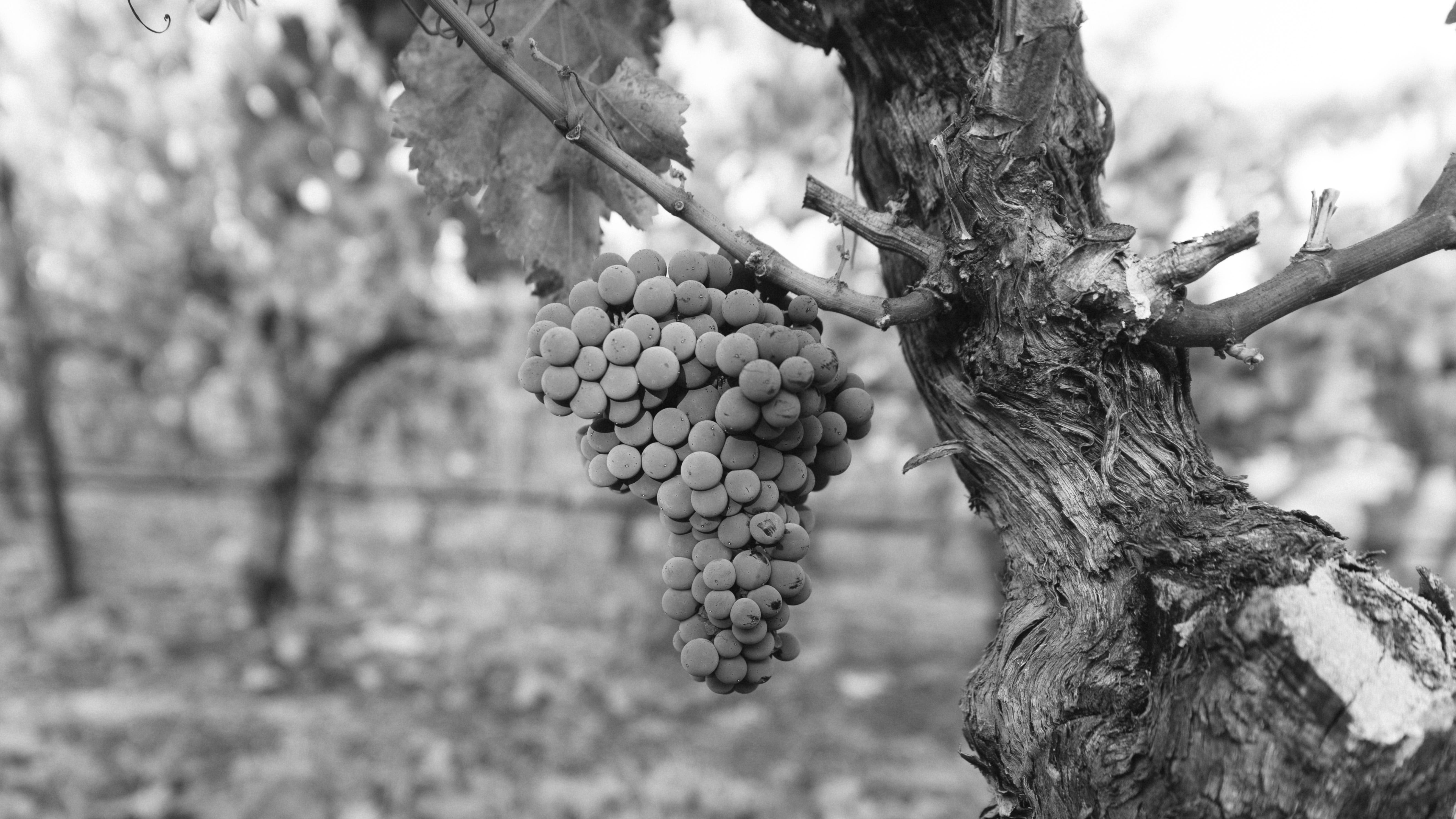
What Even Are Michelin Grapes?
The new distinctions will rank producers based on five criteria:
Agronomy
Is the soil thriving, the vineyard balanced, the farming thoughtful? Basically, is the vineyard alive and well? (I think we can expect to see a lot of Regeneratively Farmed vineyards on this list in the future).
Technical Mastery
Are the winemaking choices intentional and rigorous? Do they reflect terroir and cultivars without flaws?
Identity
Does the wine know who it is and where it came from? Does the wine “express the personality, the sense of place, and the culture behind [it]?”
Balance
Are acidity, tannins, alcohol, oak, and sweetness playing nicely together?
Consistency
Is there consistency in quality across vintages, even accounting for vintage-to-vintage variations driven by weather and events? (I think this is where some producers, particularly in California, where wildfires are the new norm, will face the most challenges.)
Producers can earn 1, 2, or 3 “Grapes”, or they can be listed as “Michelin Selected”, similar to the 1, 2, and 3 Star system with non-starred distinctions like “Michelin Recommended” and “Bib Gourmand.” From the press release: ‘Selected’ listed wineries are "Dependable producers who have been chosen for regular review, producing well-made wines that deliver a quality experience.”
Like the Michelin Star system, the whole thing will be conducted by a team of trained inspectors, including former sommeliers, critics, winemakers, and production experts, who use a standardized global rubric.
I wonder whether they will add a distinction for wineries with hospitality programs at some point?
I Called This Last Year… Kinda.
Last year, I wrote about the idea of the Michelin Star Winery: a winery so exceptional in wine quality, hospitality, and experience that people talk about visiting it the way they talk about visiting bucket-list restaurants.
Now that Michelin Grapes exists, I’m really curious how it will be recieved by the general public.
On one hand, I think this is exactly the kind of bizarre evolution the wine world needs. Especially because the current rating systems mostly reach people who are already deep enough into wine to recognize all the names. We have lots of publications and wine reviewers out there (Jeb Dunnuck, Robert Parker, Vinous, etc) who have been grading wine on a 100 point scale for decades, but consumers really only know about them if they are at least part way through their wine journey, AND it’s only the individual wines and vintages that are being reviewed, not the producer itself.
Michelin is well known enough by folks who are maybe at the beginning of their wine journey that a Michelin Grape might hold more meaning for them. Michelin, which acquired the Wine Advocate—the publication founded by Robert Parker, who introduced the whole 100-point system in the first place—in 2019, openly admitted that “the Michelin brand is much more powerful” than the Wine Advocate.
On the other hand, though, I fear that newer consumers will view Michelin Grapes in the same way they view Michelin Stars: that the wine or restaurant is only for “special occasions.” An article topic I’ve had in my notes for a long time is how I feel like there’s this misconception that all Michelin Star restaurants are pretentious or intimidating when, in order to even get a Michelin Star, the restaurant needs to have impeccable hospitality and be welcoming.
I think there needs to be some work around this misconception lest people become further entrenched in the belief that wine is only for the “elite” (a misconception, sadly, that has long been perpetuated by the wine industry).
But I digress.
What People Are Saying
Before we go any further, we have to talk about the elephant in the room. Within about 24 hours of the announcement, the interwebs were all aflutter with concerns that Michelin Grapes could turn into a pay-to-play situation.
Shitty Wine Memes even posted a meme that pretty handily summed up the discourse:

Esther Mobley did an excellent job laying out why this skepticism exists in her SF Chronicle article, The Michelin Guide is coming for wine. Here’s what it means, which (as always) is worth a read. She points out something important: Michelin doesn’t make real money from its restaurant guide. The revenue comes from hotel commissions and government partnerships. These are the same kinds of partnerships regional wine associations have been known to fund. So naturally, people are wondering:
If regions want Michelin to show up and validate them and their top performers, who is really writing the check?
Mobley also notes that Michelin has been aggressively expanding into new territories, such as the U.S. and Vietnam, often with governmental support. That doesn’t necessarily mean the Grapes system is or will be pay-to-play… but I can certainly see why people are looking at it askance.
That said, Mobley makes another point I fully agree with: the criteria themselves aren’t ridiculous. In fact, they’re probably the most holistic set I’ve seen applied to winery evaluation, and maybe this makes me naive, but I actually think it could be a good thing.
What *I* Believe the Michelin Grapes Mean for Wineries
Whether we like it or not, consumers love simple frameworks. Bitches love a Top 10 List. It’s also why the aforementioned 100-point system has persisted for so long, much to the dismay of many wine professionals.
Wineries often resist this kind of clarity because nuance is part of “the craft.” But most consumers aren’t really shopping with nuance in mind, especially the newbs. They want something super easy to understand, hence why shelf-talkers that show wine scores and, again, those “10 Best [Insert Wine Variety Here]” lists get such traction. And this is why I think the Michelin Grapes might actually work.
As Esther Mobley pointed out in her SF Chronicle article, the three-grape scale is much easier for an average drinker to parse than the difference between a 93-point and 94-point wine. (Can anyone even pretend that difference is meaningful anymore?)
She also points out that this new guide evaluates producers, not individual wines:
“It’s trying to give a holistic sense of wineries… rather than a myopic view of a single wine from a particular vintage.”
That aligns far more closely with how “normal” non-wine industry folks experience wine. Most consumers just want to know if the winery they are buying from is dependable.
My point here is that Michelin Grapes are, at their core, a hopefully easy-to-understand shortcut for consumers to feel confident in what they are buying.
And if you zoom out a little, you can see exactly why Michelin is rolling this out the way they are. They are starting in Burgundy and Bordeaux because the guide needs success stories before it can expand globally, and those regions have the dual benefit of already having their shit dialed in and having global recognition. It’s the logical place to start.
This system will take years to reach the U.S., so it’s not something small producers need to panic about right away. If anything, it’s a great invitation to all of us to think about our long-term winemaking strategy, so when it does reach our neck of the woods, we can hopefully take advantage of it.
What the Wine World Can Learn From Michelin in the Short Term
My favorite thing about Michelin is that the whole thing started because two French dudes wanted to sell more tires. Helping people travel better was the means to an end for them.
That lesson still holds water: Solve real customer problems, and sales will follow.
The Michelin Grapes system may become the next universal wine benchmark, or it may not. Time will tell, and the wine world will absolutely argue about it regardless.
But the bigger opportunity here is for wineries to step back and ask some key questions:
Are we making it easy for people to understand who we are and what we make?
Are we building trust through consistency?
Are we crafting meaningful, intentional hospitality experiences?
Are we telling a clear story, not just about the product, but also the people behind it?
Are we making a product we are proud to share?
If Michelin can build a global hospitality empire off a tire catalog, wineries can certainly rethink how clearly and confidently they communicate their values.
Liked this post? Here are more you might find interesting:


Support this publication:
The Wine Marketing Field Guide is brought to you by me, Heather Daenitz of Craft & Cluster! If you’d like to support the work I do here and help me continue bringing you weekly marketing tips, consider becoming a paid subscriber! Paid members get access to awesome perks like exclusive content as well as a free Instagram Profile Audit!
If you feel like you have enough subscriptions to be getting on with but you still want to support this little corner of the internet, you can always buy me a beverage—writing is thirsty work, after all!
And, finally, if you’re allocating your funds towards other pursuits (respect), you can also support this publication by sharing it with someone you think would love it. We love word of mouth around here.
Love, Peace, and Chicken Grease.
The flaw is, how many Type 2 wineries, like mine, make wine in a shared facility? No property, no vineyard, no tasting room? And use grapes not from my 12th Generation Estate, but from multiple growers? Like Williams Selyem and Kosta Browne did for years?
It's a rating system built upon the aristocracy and land ownership. "Evaluating multiple vintages" I sell out every year and keep nothing in a library because the inventory cost is too high. But if I have a cellar dug in to my own property, then the cost is zero, or close to it.
Yep, the wineries with a physical property, history, and inventory will likely benefit. How would Michelin evaluate an up and coming winemaker using multiple facilities to make their wine? Or a winery like mine with 18 years of history, no tasting room, no winery property, and sold out vintages with nothing to compare but the most recent couple vintages?
So interesting!